Skip to content

Should you repair or replace a deck?

Repair a limited defect when the rest of the deck can remain, consider resurfacing when the existing frame is suitable for new boards, and consider replacement when the supporting structure needs to be rebuilt.

Base the choice on an assessment of what can stay, what must change and what you want from the finished deck. Start with the deck repair listings for a repair enquiry or the deck rebuilding listings for a discussion about rebuilding.

For material-specific browsing, see Wood decks or Composite decks. The Chicago deck directory offers a broader starting point. A category helps you browse; confirm directly whether a company takes on the particular work you need.

Low wooden deck with horizontal railings beside a two-story house

What does each scope include?

Define each option by the components you intend to keep, repair or replace. Ask for that distinction in the proposal rather than relying on a broad label such as “deck renovation.”

Option Scope to discuss What needs to be established
Repair Address specified damaged components while retaining the surrounding deck where suitable. Which components need attention, and what supports keeping the rest?
Resurfacing Replace the surface boards while proposing to retain the supporting frame. Is the frame suitable for the selected boards, and what additional work is included?
Replacement or rebuilding Replace the supporting structure to the extent described in the proposal. Which structural components will be replaced, which will remain, and why?

Make the boundaries explicit. If a proposal covers new boards, ask whether it also covers railings, steps, connections and any repairs to retained framing. Do not assume that two companies use “resurfacing” or “replacement” to describe identical work.

For example, if your concern is a damaged area, ask the company to explain whether its proposed repair stays within that area or extends into the structure. If you also want a different layout, have that change described separately so you can distinguish necessary repairs from changes you are choosing.

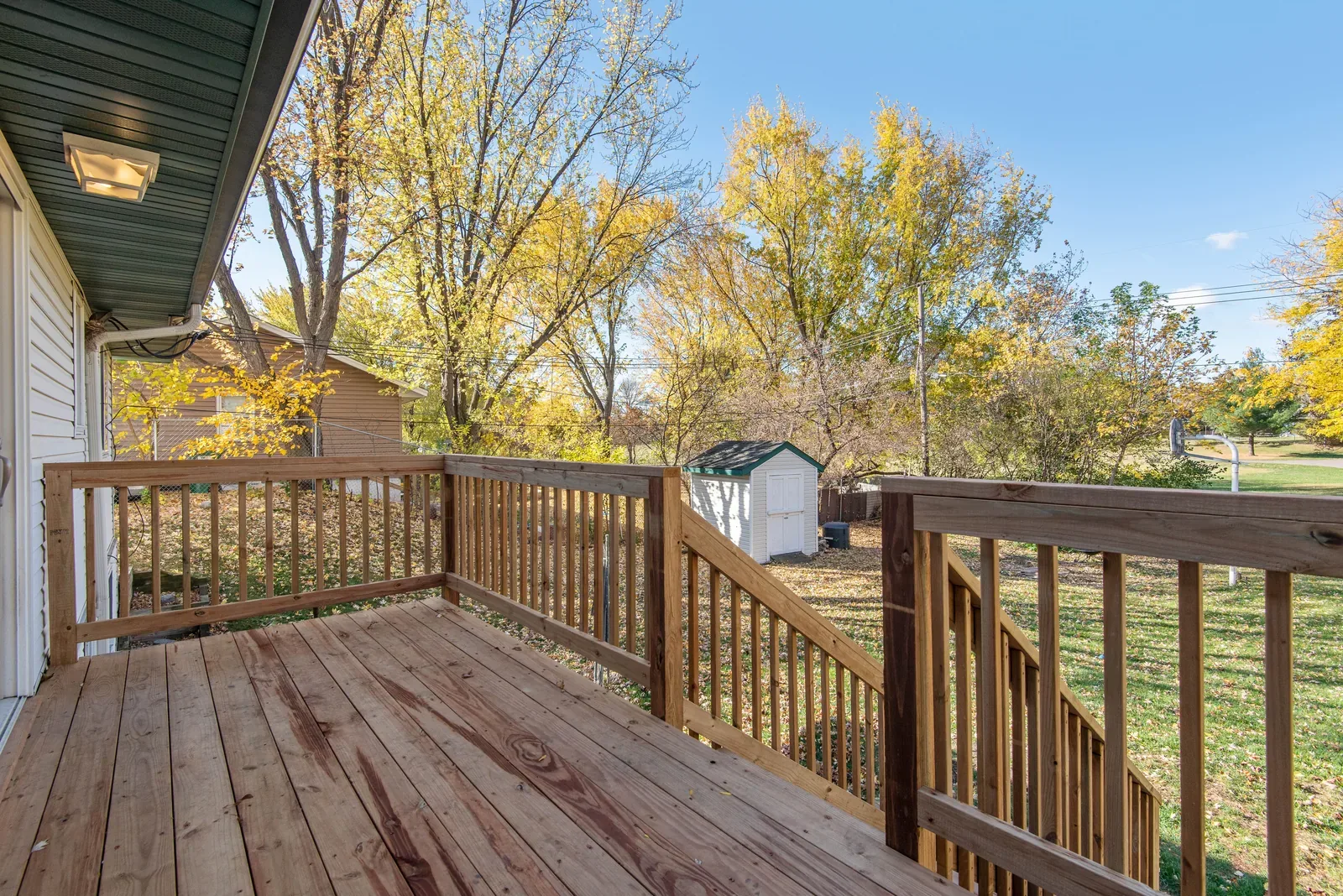
Wooden deck boards and baluster railings beside a stair opening

What must be checked before resurfacing?

Before agreeing to resurfacing, have the existing framing and its hardware assessed for the proposed work. Keep the condition of the visible boards separate from the question of whether the structure underneath can remain.

Trex’s resurfacing instructions call for inspecting framing and framing hardware for code compliance, structural integrity and compliance with the current Trex Installation Guide.

Use that distinction to make the assessment discussion specific:

  • Which parts of the supporting frame have been assessed?
  • Which connections and pieces of hardware need attention?
  • What repairs are proposed before new boards go on?
  • Which installation instructions apply to the selected product?
  • What remains uncertain until existing boards are removed?
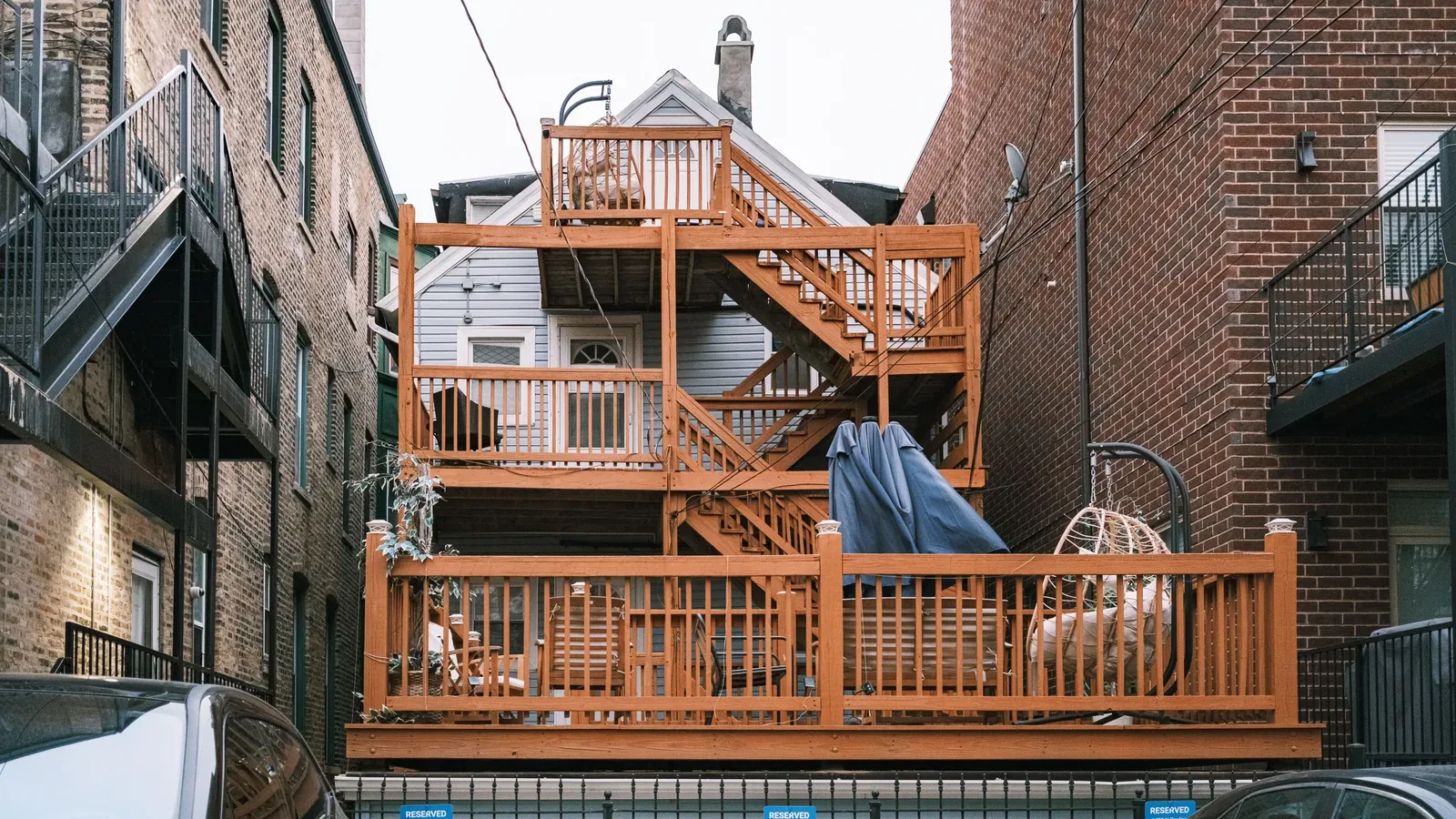
Multilevel wooden decks with stairs, posts and beams between brick buildings

Ask for the findings to be connected to the proposed scope. “Keep the frame” should be accompanied by an explanation of what was assessed and any work required before it is reused. Where the assessment leaves a question unresolved, ask how the company proposes to resolve it before you commit to a surface-only scope.

Does choosing wood or composite change the decision?

A choice between wood and composite does not, by itself, settle whether the supporting frame can remain. Consider the material choice alongside the assessment rather than treating new boards as a decision about the whole structure.

If you want to retain the frame, ask the company to explain the proposed boards, the installation instructions it will follow and any changes it proposes to the supporting structure. Request separate descriptions of surface replacement and framing work so you can see how the two fit together.

Keep railings and stairs explicit, too. If you expect them to change with the surface, include that expectation in the scope you give each company. Avoid letting a phrase such as “new composite deck” stand in for a description of which existing parts will stay.

How can you compare estimates fairly?

The Illinois Attorney General recommends written estimates from several contractors based on the same work so you can compare them.

Before interviewing contractors, define the work and job specifications, including the time frame, materials and payment schedule, as the Illinois Attorney General recommends.

For this decision, give each company the same starting brief. Describe the problem you want addressed, the parts you hope to retain and any changes you want to the finished layout. Ask each estimate to identify:

  • Components to be repaired, removed, retained or replaced.
  • Proposed surface materials and work to the supporting frame.
  • Whether railings, stairs and removal of old materials are included.
  • Exclusions and unresolved conditions.
  • How any additional work would be described and agreed upon.

If one estimate retains the frame and another replaces it, resolve that difference before comparing their totals. Ask each company to explain the basis for its proposal. Then decide whether you want estimates for a common scope or separate alternatives with clearly stated differences.


What should you confirm before agreeing to work?

Before agreeing to the project, confirm the proposed scope, request supporting documents and put the terms in writing. Keep these checks tied to the kind of repair, resurfacing or rebuilding you are considering.

  • The Illinois Attorney General recommends obtaining copies of a contractor’s proof of insurance.
  • The Illinois Attorney General advises checking applicable contractor licensing and registration requirements with the appropriate government authority.
  • The Illinois Attorney General recommends seeking recommendations and references from people for whom the contractor has done similar work.

The Illinois Attorney General also recommends a complete written contract covering the work, materials, warranties, timing, total price and payment schedule.

Read the contract against the option you have chosen. Check that it describes the parts you expect to keep and the work you expect to receive, including how unresolved conditions will be handled. Ask for any differences between the estimate and contract to be explained before you agree.

About this guide

Our guide brings together the consumer and resurfacing guidance cited below. Use it to prepare questions about the scope you are considering.

You can browse business listings, open individual company profiles and use the available contact details shown on those profiles.

Sources

Use these publications to read the guidance in its original context. Match any installation instructions to the product being proposed.

Find a company for your project

Use your proposed scope to prepare questions for the companies you contact.

Find a company