
How to compare deck quotes before choosing a contractor
To compare deck quotes for a Chicago project, start with the same project scope, material specifications and responsibilities. Record what each proposal includes, excludes or leaves uncertain, then ask for written clarification before comparing totals.
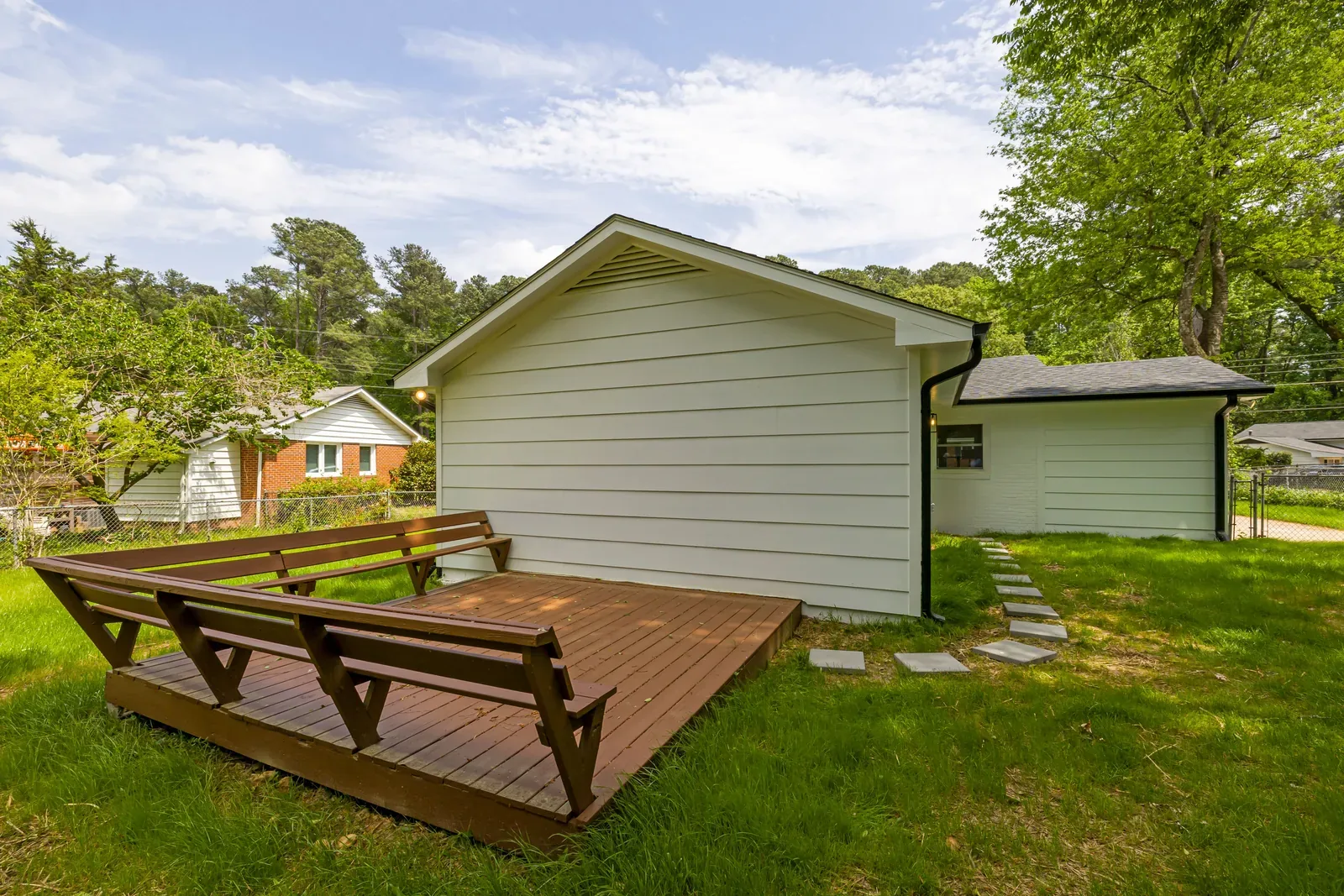
The Illinois Attorney General recommends written estimates from several contractors based on the same work, so you can compare them.
Begin by reading what each total covers. A difference might involve fewer components, another product specification or an amount that remains provisional. You may deliberately prefer a different scope or material; keep that difference visible when considering the price.
Start with one project brief
Write one brief that describes the deck you want and the work you expect each company to address. Give that same brief to everyone preparing a written deck estimate.
The Illinois Attorney General recommends defining the work and job specifications before interviewing contractors, including the time frame, materials and payment schedule.
For a deck project, useful questions include:
- Dimensions and intended use: What area and layout should the proposal address, and how do you intend to use it?
- Existing components: Which supports, framing or other elements are proposed to stay, and which would be replaced?
- Removal: What would be taken out, and does the scope include removing it from the site?
- Deck components: Are boards, fascia or edge finishes, guards, stairs and handrails included where relevant?
- Site work: What access, protection and cleanup assumptions should each company address?
- Planning responsibilities: Who would handle design, permits and inspections if required for the project?
These are questions to resolve for your project. Ask each company to identify the relevant work and any items it has left outside its proposal.
If one proposal retains an existing frame and another replaces it, settle that scope choice before treating their totals as alternatives. For that earlier decision, read repair or replace a deck, then bring a clearer work brief back to the comparison.
Use a side-by-side worksheet
Compare the proposals against the same questions. For each cell below, record the answer and its page, section or attached written clarification. Keep unanswered questions on a clarification list for the relevant company.
| Comparison item | Proposal A: answer or document reference | Proposal B: answer or document reference |
|---|---|---|
| Shared project brief | Which dimensions, intended use and scope? Where recorded? | Which dimensions, intended use and scope? Where recorded? |
| Included work | Which components, labor and site tasks are covered? Where? | Which components, labor and site tasks are covered? Where? |
| Retained elements | What stays, comes out or is replaced? Where? | What stays, comes out or is replaced? Where? |
| Material specification | Which products, profiles, finishes and assembly details? Where? | Which products, profiles, finishes and assembly details? Where? |
| Excluded work | What sits outside the total? Where identified? | What sits outside the total? Where identified? |
| Allowances or provisional amounts | What remains provisional, and how is the amount resolved? | What remains provisional, and how is the amount resolved? |
| Optional work | What can you choose, and how does that affect price? | What can you choose, and how does that affect price? |
| Unresolved conditions | What needs checking, and what happens afterward? | What needs checking, and what happens afterward? |
| Responsibilities | Who handles each task, and where is that recorded? | Who handles each task, and where is that recorded? |
| Written changes | How are scope, price, timing and approval recorded? | How are scope, price, timing and approval recorded? |
| Product warranty | Who issues it, and where are terms and claims explained? | Who issues it, and where are terms and claims explained? |
| Workmanship warranty | Who issues it, and where are terms and claims explained? | Who issues it, and where are terms and claims explained? |
| Agreement details | Where are dates, total, payments and promises recorded? | Where are dates, total, payments and promises recorded? |
When an answer arrives separately, keep that clarification with the proposal and note its reference in the worksheet. If a difference is intentional, record it plainly so you can weigh it alongside the total.
Read exclusions, allowances and optional work
Ask each company how it uses its labels and how each item affects the proposed price. The useful distinction is what the document commits to, what remains open and what you would need to arrange separately.
Use these questions to clarify the wording:
- Included or fixed: Which exact work does the stated amount cover, and what assumptions apply?
- Excluded: What work sits outside the total? Who would arrange it if you need it completed?
- Allowance or provisional amount: What does the amount cover? What remains undecided, how would the final amount be determined, and could it increase or reduce the total?
- Optional work: Which item can you elect to add or omit? What is its price treatment, and when would you need to choose?
- Work dependent on conditions: What condition does the proposal assume? If actual conditions differ, what would need assessment before anyone proposes additional work?
Treat these as reading questions, and ask the company to explain its terminology. An item described as an allowance in one proposal may need clarification before you can compare it with an included item in another.
Record the explanation beside the relevant scope item. If one proposal excludes removal while another includes it, ask for that difference to be clearly separated or addressed in a revised proposal. Then you can judge the totals with the remaining difference understood.
Match materials component by component
Compare the written identification of each proposed product and the details of how it will be used. A broad label such as “decking” leaves questions about the actual boards, edge treatments and installation work.
Look for the relevant details across the assembly:
- Deck boards: Material, manufacturer and product line, profile, dimensions, color and finish where specified.
- Wood components: The proposed grade, treatment and finish where relevant to the specification.
- Edges and fascia: Which pieces and finishes are included around the perimeter and exposed edges?
- Guards and stairs: Which railing, handrail, tread and riser components are proposed where applicable?
- Installation: Which fastening and finishing details are included, who supplies the products and who installs them?
Ask for missing specifications before deciding that two material descriptions are equivalent. Also check whether a named board product is accompanied by the same stair, railing and edge scope in both proposals.
For the separate surface-material decision, read the guide to wood, composite and PVC decking. Bring your selected specification back to the written proposals so each company can address the same material choice.
Assign responsibilities before changes arise
Identify who handles each project task and how a proposed change would be documented. Next to the design, supply, access and cleanup items in your brief, record who arranges the task, who pays for it and whether its cost appears in the total. Ask the same questions about permits and inspections if they apply to your project.
The Illinois Attorney General’s contract checklist includes a description of how change orders will be handled.
A change order is a written record of a proposed change to the agreed work. Ask the company to explain its process through these questions:
- Who prepares the proposed change and identifies the affected work?
- How will added or removed scope be described?
- Where will an added or reduced price be shown?
- How will any effect on the schedule be explained?
- Who must agree before the changed work proceeds?
- How is approval recorded, and where will you retain a copy?
If actual conditions differ from an assumption in the proposal, ask how that finding would lead into this process. Record the answer without assuming that additional work will be necessary.
Separate product warranties from workmanship
Ask separately whether a product warranty and a workmanship warranty are offered in writing. For each warranty offered, identify the issuer and read the terms that apply to the particular product or work.
Keep these fields separate in your notes:
- Issuer: Who makes the written warranty promise?
- Coverage: Which product, component or installation work does it cover?
- Term: When does coverage begin, and what duration is written?
- Conditions and exclusions: Which installation, maintenance or other conditions apply, and what is excluded?
- Remedy: What action does the written warranty offer if a covered claim is accepted?
- Claim route: Who receives the claim, and what documents or information are requested?
- Labor: Is any removal, reinstallation or associated labor included, and who would be responsible for it?
The organization issuing a product warranty and the company responsible for a workmanship promise may be different. Record each issuer and claim route individually so you know which written terms answer each question.
If a proposal refers to a warranty without supplying its terms, ask for the applicable document. Use that document to complete the comparison rather than assuming a particular duration, remedy or labor obligation.
Check the agreement before deciding
Carry the clarified scope and written answers into the agreement you are considering. Check that its specifications and referenced documents describe the project you intend to commission.
The Illinois Attorney General recommends a complete written contract covering the work, materials, warranties, timing, total price and payment schedule.
Read those items together. Check the proposed starting date and estimated completion date, ask how schedule changes would be addressed, and understand when payments would be due. Compare any oral promises you relied on with the written work description and ask for missing promises to be included.
Resolve blank fields, unexplained terms and conflicting document versions before deciding. Keep signed copies together with the specifications, written clarifications and agreed changes they reference.
About the author
At Go Chicago Deck Builders, you can browse deck builder profiles, open individual company profiles and use the contact details available on those profiles. We operate this website under the name Implicit Success Marketing.
This guide uses the primary-source consumer guidance below to organize questions you can take to the companies preparing your proposals.
Sources
Use these primary sources to read the consumer guidance in full. Keep their recommendations alongside the project-specific answers you receive.
Take clarified questions to each company
Take the same brief, completed worksheet and clarified questions to the companies you are considering. Keep the answers together so you can compare what each total covers.