
Wood, composite and PVC decking: how to choose
For a Chicago deck, choose between wood, wood-plastic composite and PVC by the appearance you want, the upkeep you will do, the site’s exposure and the selected product’s requirements. Check the supporting frame and compare the full project scope before deciding; there is no universal winner on cost, service life, heat or grip.
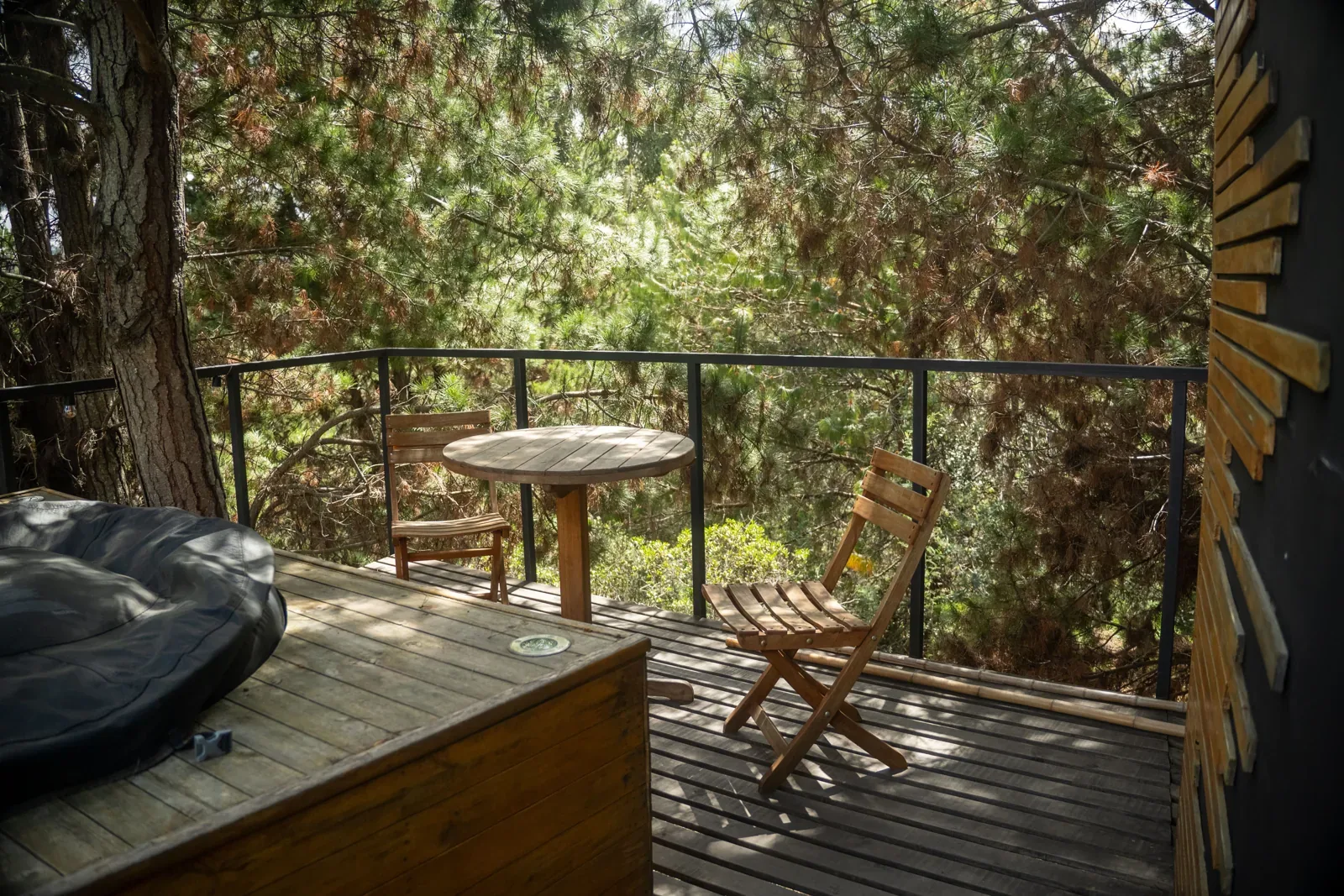
A composite vs wood deck comparison becomes more useful when you name the actual boards being considered. The same applies when comparing composite vs PVC decking: identify the product, its care requirements and the assembly it needs before treating the material label as a decision.
What do wood, composite and PVC labels tell you?
The labels identify material families. They leave important choices unresolved, including the wood specification or manufactured-board collection, its profile and the instructions that apply to it.
For a named example, TimberTech describes its Composite Decking as polymers blended with organic material such as wood flour, and its Advanced PVC Decking as polymers with no organic material. Keep that distinction attached to those products rather than assuming every manufactured board has the same construction.
Use this table to organize a shortlist. It compares the decisions to make, rather than assigning a category-wide performance score.
| Walking surface | Identify before comparing | Decide about care | Confirm for the project |
|---|---|---|---|
| Wood | Species, relevant sapwood or heartwood distinctions, treatment, drying state and intended finish | Which cleaning and any finish-renewal tasks fit your preferences? | Is the wood specification appropriate for its intended exposure and use? |
| Wood-plastic composite | Exact product, polymer and organic-material blend, collection, cap and profile | Which cleaning methods and damage remedies does its guide permit? | Which support, fastening and gapping requirements apply? |
| PVC | Exact product, formulation, collection, cap if present and profile | Which cleaners, stain-removal methods and repair options are permitted? | Which movement, support, fastening and warranty conditions apply? |
The core is the board body; a cap, where present, is an outer layer. The profile is its cross-sectional shape, including its edges. These describe a product’s construction, rather than adding another competing material family.
Ask how much of the board a cap covers and what the instructions say about cut ends or exposed edges. Also identify whether the proposed profile changes fastening, edge treatment or other assembly details. A broad material label cannot settle those questions.
For the related project questions, read our composite deck building considerations. Confirm any proposed PVC product separately when discussing the work.
Which species, treatment and finish suit your preferences?
Wood needs a clear specification: the species, treatment where applicable, moisture condition and proposed finish all belong in the comparison. A species name alone leaves too much undecided.
The USDA Wood Handbook explains that wood exchanges moisture with surrounding air according to humidity, temperature and the moisture already in the wood, affecting its properties and performance. Ask how the supplied boards’ condition and the site’s exposure will inform preparation and installation.
Preservative treatment and surface finish answer different questions. Treatment selection concerns biological exposure and intended use. A finish is a separate choice whose preparation, application and renewal requirements depend on the selected product.
The American Wood Protection Association’s Use Category System defines treated-wood biodeterioration hazard levels and helps select treatment appropriate to a product’s end use. Ask which treatment specification is proposed and why it fits the way that wood will be used.
Drying deserves its own question. The USDA Wood Handbook explains that waterborne treatment adds water to wood, so drying and shrinkage occur after installation unless the wood is kiln-dried after treatment. Before agreeing to finish work, ask how the required moisture and surface-preparation conditions will be established.
Your appearance preference also matters. Do you want to maintain a particular color? Are you willing to undertake the care associated with the proposed finish? Ask whether finishing is required or optional for the selected wood and application, then use the actual instructions to understand the commitment. Avoid choosing a universal staining or recoating schedule from the word “wood.”
Keep appearance and deterioration questions separate. The USDA Wood Handbook distinguishes surface mold associated with humid air from significant decay. A cleaning or color decision does not resolve a concern about a deck’s condition.
Our wood deck building guide provides the related project-planning next step once you have identified the specification and appearance you want to discuss.
How much upkeep will you take on?
Compare the actual tasks you are willing to repeat, then check them against each product’s care instructions. “Less maintenance” is too vague to tell you which cleaners, tools or finish work a particular surface will need.
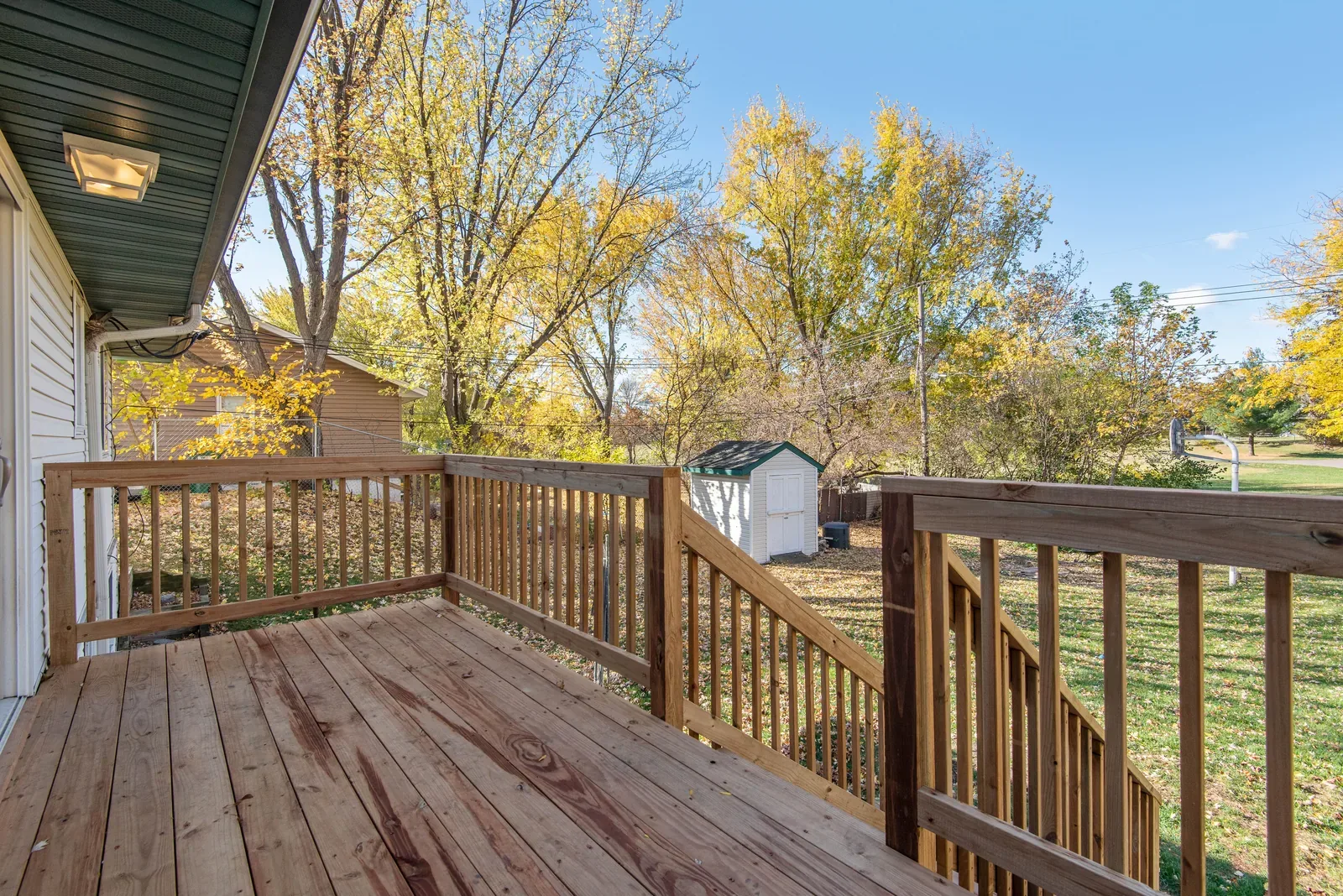
Trex requires cleaning for its decks and provides separate care guidance for early-generation composite products. When comparing an existing surface with a new option, identify the product generation as well as the brand before choosing a care method.
For cedar, the Western Red Cedar Lumber Association explains that a deck that dries after wetting lasts longer than one that stays damp, and includes drainage and keeping the surface free of debris in its maintenance guidance. That is cedar-specific guidance, rather than a cleaning schedule for every material.
For each shortlisted product, ask:
- Which care guide applies to this exact product or generation?
- Which cleaners, brushes and other tools are permitted, and which are excluded?
- Is pressure washing permitted, and under what product-specific conditions?
- If a finish is proposed, what cleaning, drying and preparation precede application or renewal?
- How will debris be cleared and drainage kept open around furniture, planters and other obstructions?
Then connect the answers to your habits. If you expect to move furniture frequently, ask how to protect the surface during that use. If access for cleaning is awkward, discuss how the proposed layout affects routine care. These practical details can make the upkeep commitment clearer than a category label.
What should you ask about heat, grip and damage?
Treat comfort, traction and damage as questions about the selected product in its intended setting. The material family alone does not establish a heat or wet-slip ranking.
Start by describing where and how you expect to use the deck. Which areas receive direct sun? Where might the surface be wet? Will people often use it barefoot? Those details give a supplier or installer something specific to address.
If a product is described as cooler or more slip resistant, request the evidence behind that description. Ask which product and color were tested, under what conditions, and by what method. For traction information, ask whether the test describes a dry or wet surface and how that relates to your intended use.
A sample helps you judge appearance and texture. It does not establish how the finished deck will behave under every outdoor condition. Avoid turning a brief touch test or a photograph into a performance conclusion.
Damage deserves a separate discussion before purchase:
- What does the care guide permit after a scratch or stain?
- Are sanding, refinishing or other spot treatments allowed for this product?
- If a board needs replacement, how is it removed from the proposed fastening system?
- How would a replacement board be sourced and its appearance compared with the existing surface?
- What instructions apply around heat sources, outdoor cooking equipment or protective accessories you intend to use?
Ask for the permitted response to the specific problem. Do not assume that every wood board can be repaired in place or that every damaged manufactured board must be replaced.
Can the existing frame accept a different surface?
Replacement boards do not establish whether an existing frame can stay. The supporting structure needs assessment alongside the selected product’s installation requirements.
The TimberTech Composite installation guide states that its decking is not a primary load-bearing member, requires a code-compliant substructure and cannot be installed over existing deck boards. Those are instructions for the named decking, rather than a universal structural specification for every project.
Trex’s resurfacing instructions call for checking joist spacing and the overall condition of the framing to determine whether the substructure is sound. A decision to retain framing therefore needs more information than a view of the finished walking surface.
Movement also belongs in the installation discussion. The TimberTech Composite installation guide explains that its boards expand, contract, move and gap with temperature changes, and that its specified fastening and gapping requirements accommodate that movement. Use the instructions for the selected product instead of applying a generic gap or fastening rule across material families.
Before settling on a board, ask the company assessing the project to explain:
- Whether the supporting frame’s condition and configuration suit the proposed installation.
- Which support spacing, blocking and connections the selected product requires.
- Which fasteners and edge details apply to the proposed profile.
- How the installation will accommodate movement and drainage.
- Whether stairs, borders or other details change the assembly work.
For a proposed PVC product, request its own installation guide, including any ventilation or airflow provisions. A requirement from another product is not enough to establish compatibility.
If the earlier decision is whether to retain, repair or replace the existing deck, read repair or replace a deck before narrowing the board selection.
How should quotes compare with warranty terms?
Compare complete proposals for the same intended design, and examine warranty documents separately. A board-only price, an installed project total, recurring care expense and a warranty period answer different questions.
The Illinois Attorney General recommends a complete written contract covering the work, materials, warranties, timing, total price and payment schedule. Use written scope to make the material comparison meaningful.
Ask companies to work from the same area and design, then identify what each total includes. The comparison should account for the selected surface product, supporting-frame work, fasteners, edges, stairs or railings, removal and labor where those items form part of your project. Ask whether changing the board changes any of that assembly work.
Consider future care as a separate planning exercise. Identify the tasks the selected product calls for, whether you expect to do them yourself and which finish or cleaning products would be involved. A claim that a higher initial price will pay for itself needs more than a material label.
For warranties, ask:
- Who issues the product warranty, and is any workmanship warranty offered separately?
- Which exact product, application and installation conditions does each document cover?
- What is covered, what is excluded and what remedy is available?
- Which care requirements or documentation affect a claim?
A warranty period is not an estimate of service life. Read the actual terms instead of using the length of coverage as a durability ranking.
Use compare deck quotes for the fuller scope-comparison process, including keeping product and installer warranty responsibilities distinct.
About this guide
Go Chicago Deck Builders is a directory where you can browse business listings, open individual company profiles and use the available contact details shown on those profiles. This guide draws on the primary references below to help you compare materials and prepare questions for individual companies.
The educational guidance is separate from an assessment of your deck. Confirm project suitability, the proposed scope and the applicable product documents with the company you contact.
Sources
These references support the material, care, installation and written-scope points in this guide. Match manufacturer guidance to the exact product and request the applicable current instructions for your proposed work.
- TimberTech: composite and Advanced PVC board construction
- TimberTech Composite Decking Installation Guide
- USDA Wood Handbook: moisture behavior
- USDA Wood Handbook: wood treatment and drying
- USDA Wood Handbook: moisture, mold and decay
- American Wood Protection Association: Use Category System
- Western Red Cedar Lumber Association: decking care and maintenance
- Trex: care and cleaning
- Trex: resurfacing guidance
- Illinois Attorney General: Home Repair and Construction—What You Should Know