
Deck lighting ideas for steps, dining and relaxed evenings
Plan deck lighting around what you need to see and do after dark. Mark entrances, stairs and routes first, then decide how you want dining and seating areas to feel. Give that marked plan to the installer before choosing a collection of fixtures.
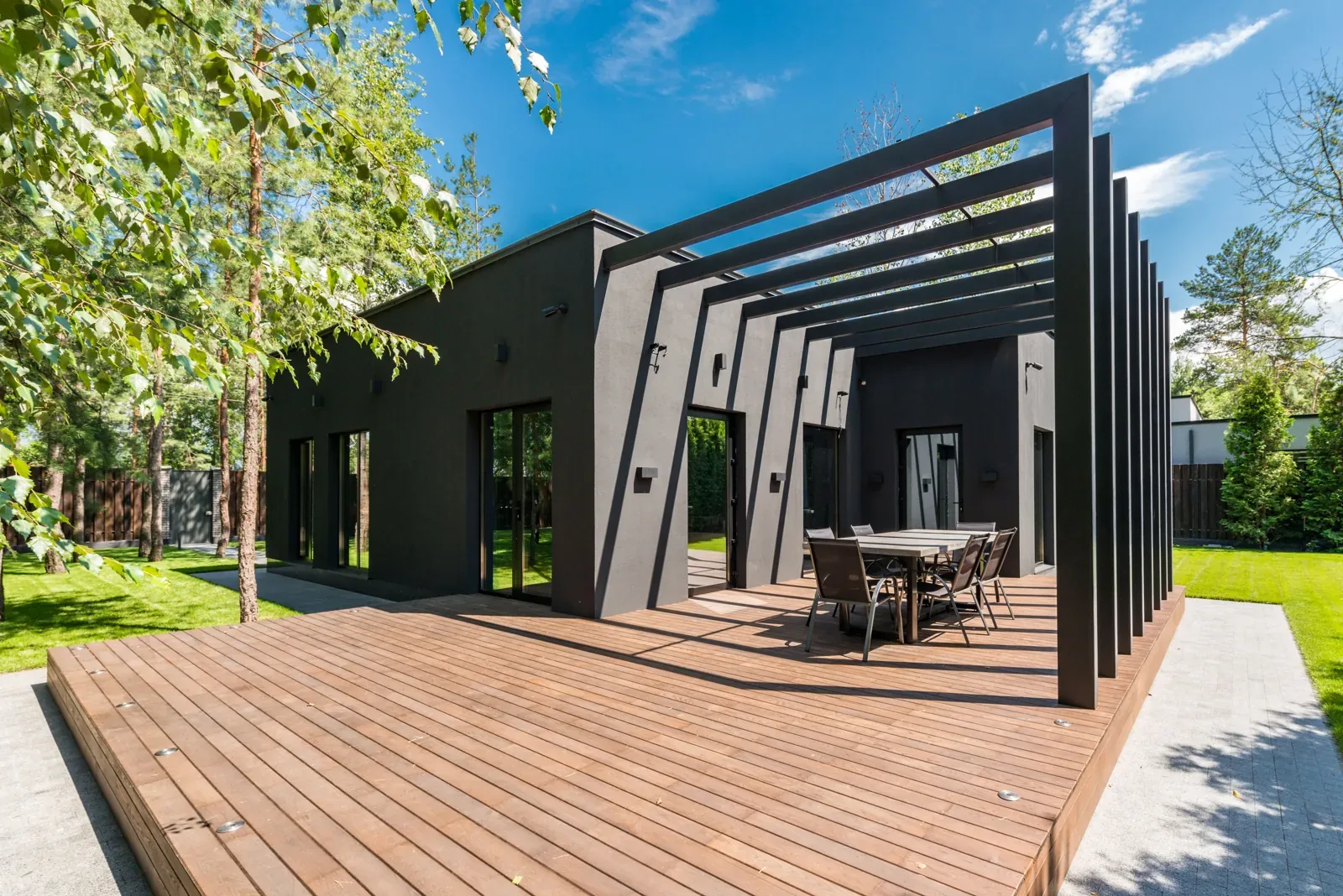
Give each light a job
A useful lighting brief describes the purpose of each area. “Lighting around the deck” is less helpful than “see the route to the yard, use the dining table and keep the seating area comfortable.”
| Area | What you want to accomplish | Option to discuss |
|---|---|---|
| House entrance | See the transition between inside and outside | Existing house lighting and any proposed additions |
| Stairs | See the treads and the change in level | Stair or riser fixtures selected for the project |
| Route to the yard | Follow the intended walking route | Deck-edge lighting coordinated with the adjoining path |
| Dining table | Use the table comfortably after dark | Suitable overhead or nearby task lighting |
| Seating area | Settle in without looking directly at a bright source | Shielded, lower-level or adjustable lighting |
| Railing perimeter | Define the edge visually | Compatible post-cap or under-rail fixtures |
These are design prompts, not a lighting specification or a statement that a particular arrangement meets code.
Use integrated fixtures where they suit the design
Post-cap, under-rail and stair lighting describe different fixture locations. Mark the places you want to discuss on a photograph or sketch, and ask the installer to show the proposed fixtures in those positions.
Ask for a fixture plan showing which products are proposed and where they will sit. If you are also choosing deck railing, settle the rail-and-light combination together. A photograph showing a light on a post does not establish compatibility with your selected post or rail.
Review the view from a chair
Discuss lighting from the positions where people will spend time. Ask to see how a proposed fixture looks from the dining table, a low lounge chair and inside the house. Include nearby windows and neighboring spaces in that review.
Be specific about the atmosphere you want: enough light for dinner, a quieter setting for conversation, or separate control of the route and seating areas. Ask what can be adjusted after installation and what depends on the initial fixture placement.
Treat decorative lighting as a separate layer
String lights or decorative fixtures may be part of the look you want. Mark their intended locations on the plan and ask the installer to confirm suitable products, support and power arrangements. Keep the route and stair-lighting questions visible rather than treating a decorative photograph as the whole lighting design.
If your deck has no overhead structure, say so when sharing inspiration images. Ask how the proposed effect would be achieved on your actual deck before adding it to the budget.
Discuss controls and future access
Ask how you will switch, time or dim the selected system, and whether different areas can operate separately. Request a demonstration of the controls and written product information at handover.
Also ask how an installer would reach wiring connections, controls or a failed fixture later. Trex recommends incorporating its lighting system during construction because access for its wiring and fixtures depends on the stage of decking, railing and stair work. The applicable instructions for your chosen system should guide the actual work.
Put lighting in the written scope
Give lighting its own section in the proposal. Ask it to identify fixtures and quantities, locations, controls, power arrangements, installation responsibilities and any excluded work. Record who will determine the electrical and local approval requirements.
For an existing deck, ask what access is available and what would need to be disturbed or replaced. Use the quote comparison guide to compare that scope across companies.
Can I add lights later?
Ask an installer to assess your existing deck and proposed system. Include access, wiring routes and any removal or reinstatement in that discussion rather than assuming a later addition is straightforward.
Do all the lights need to match?
Choose the visual effect you want, then ask which products and controls can form the proposed system. Keep aesthetic coordination and electrical compatibility as separate questions.
What should I take to a builder?
Bring your deck layout, marked evening uses and a few photographs showing the lighting effect you like. Browse deck-building companies and confirm their scope directly.
Source and further reading
Trex: planning and installing its deck-lighting system. Its construction guidance is specific to the described system. Browse the planning guide hub for the related decisions before and after this one.
About this guide
Go Chicago Deck Builders is a directory where you can browse company profiles and the contact details available on each listing. Use your notes from this guide when discussing your project with the companies you are considering.